The QR code marketing of condiments uses "codes" as a medium to unlock a new path for all-round growth
2025-05-26 11:43:00The condiment industry, as an essential sector for people's livelihood consumption, is currently confronted with challenges such as fragmented channels, weak user interaction, and low brand loyalty. Traditional marketing relies on offline promotions and advertising placements, making it difficult to precisely reach consumer needs and even less capable of accumulating user assets. The QR code marketing of condiments, by endowing each product with an interactive entry point, transforms "one bottle, one code" into a bridge for deep connection between brands and consumers. It drives business growth in multiple dimensions, from traffic acquisition, user operation to channel control, and opens up a second growth curve for brands.
1. Qr Code Interaction: An upgrade in experience from "passive purchase" to "active participation"
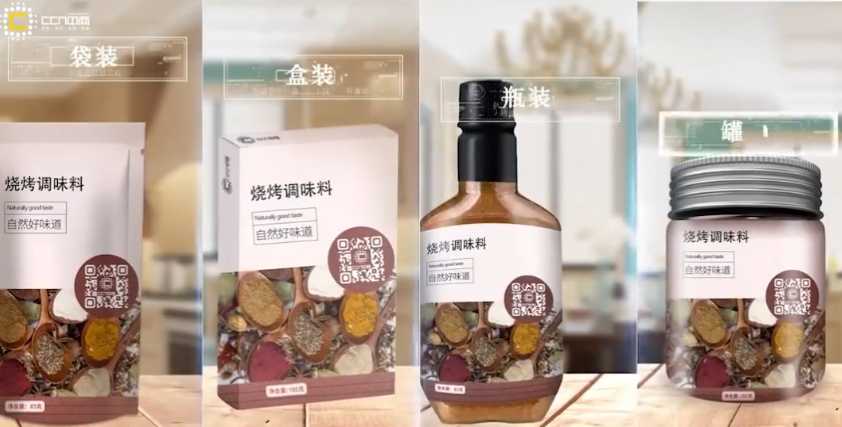
The consumption scenarios of condiments are high-frequency and have low decision-making thresholds. However, traditional packaging lacks interactivity, and the relationship between consumers and brands often ends at the moment of transaction. Qr code marketing, through the design of "interaction by scanning the code", transforms product packaging into a marketing platform: consumers can scan the code to participate in lotteries, claim coupons, unlock recipe tutorials, etc., turning the "opening the bottle" action into a fun experience. For instance, a certain brand launched a "Scan Code to Collect Cards and exchange for kitchenware" campaign. Users could collect virtual cards for each bottle of product they purchased. After collecting all the cards, they could exchange them for custom cookware of the brand. This not only increased the repurchase rate but also expanded the campaign's influence through social sharing. This combination of "gamification + benefit points" can effectively activate consumers' enthusiasm for participation and transform a single purchase into long-term interaction.
Ii. User Stratification: Data-driven precise Operation
The user group of condiments is wide, ranging from housewives to young tenants, with significant differences in demand. Qr code marketing builds a user stratification system for brands through the accumulation of scanning behavior data:
High-frequency users: They scan the code frequently and actively participate in activities. Exclusive member benefits or new product trials can be pushed to them.
Price-sensitive users: Pay attention to coupons and discounts, and distribute time-limited promotional information specifically.
Scene-oriented users: Prefer recipe content and receive customized cooking tutorials or suggestions for ingredient combinations.
Brands can adjust their product mix and marketing strategies based on user profiles. For instance, they can launch "small-sized + scan-to-get takeout vouchers" packages for the rental group, meeting their demands for convenience and cost-effectiveness, and achieving precise operation with "thousands of faces for thousands of people".
Iii. Channel Empowerment: The Dual Value of Anti-counterfeiting and Boosting Sales
The sales channels for condiments are complex, with multi-level networks such as supermarkets, convenience stores, and farmers' markets coexisting. Cross-selling and slow terminal sales are common pain points. Qr code marketing achieves channel control and sales activation through the "channel coding + dynamic incentive" mechanism.
Anti-counterfeiting: Assign a regional sales code to each product. By scanning the code, abnormal circulation paths can be located to maintain channel order.
Terminal incentives: Design activities such as "Scan code rebate for Store owners" and "Reward for meeting display standards" to enhance the enthusiasm of terminal distributors.
Data feedback: Real-time tracking of scanning data from various channels, identification of high-potential areas, and optimization of resource allocation.
Through this model, a certain brand has increased the terminal sales rate and reduced the complaints about channel diversion, achieving a virtuous cycle of "price control - volume increase - profit increase".
Conclusion: QR code marketing is the "growth engine" for condiment brands
In the current era of diversified consumer demands and fierce competition, QR code marketing for condiments has evolved from an "innovative attempt" to a "must-have option". It can not only enhance user stickiness through interactive experiences, but also drive product innovation and channel optimization with the accumulation of data assets, helping brands to explore incremental value in the existing market.
For business inquiries, please call: 400-689-0580
Or email: marketing.list@yesno.com.cn